2025's Top Trends in Sustainable Architecture (Bullet Points)
Sustainable architecture is no longer a niche; it's the future. As we move into 2025, several key trends are shaping how we design and construct buildings to be more environmentally friendly and resource-efficient. Here are the top trends you need to know:
- Biophilic Design Integration: Bringing nature indoors to improve occupant well-being, air quality, and connection to the natural world. Think living walls, indoor gardens, and natural light maximization.
- Advanced Energy Efficiency: Beyond basic insulation, this includes smart HVAC systems, passive house principles, energy recovery ventilation, and highly efficient windows to drastically reduce energy consumption.
- Circular Economy Principles: Focusing on design for disassembly, using recycled and upcycled materials, and minimizing waste throughout the building lifecycle. It's about creating buildings that can be deconstructed and their components reused.
- Renewable Energy Microgrids: Integrating on-site renewable energy sources (solar, wind) with battery storage and smart grid technology to create self-sufficient or net-zero energy buildings and communities.
- Water Conservation & Management: Implementing rainwater harvesting, greywater recycling systems, low-flow fixtures, and drought-resistant landscaping to significantly reduce water usage.
- Healthy Building Materials: Prioritizing non-toxic, low-VOC (Volatile Organic Compound) materials, and those with transparent supply chains to ensure healthier indoor environments for occupants.
- Modular and Prefabricated Construction: Reducing on-site waste, improving construction efficiency, and allowing for greater quality control and precision in sustainable building practices.
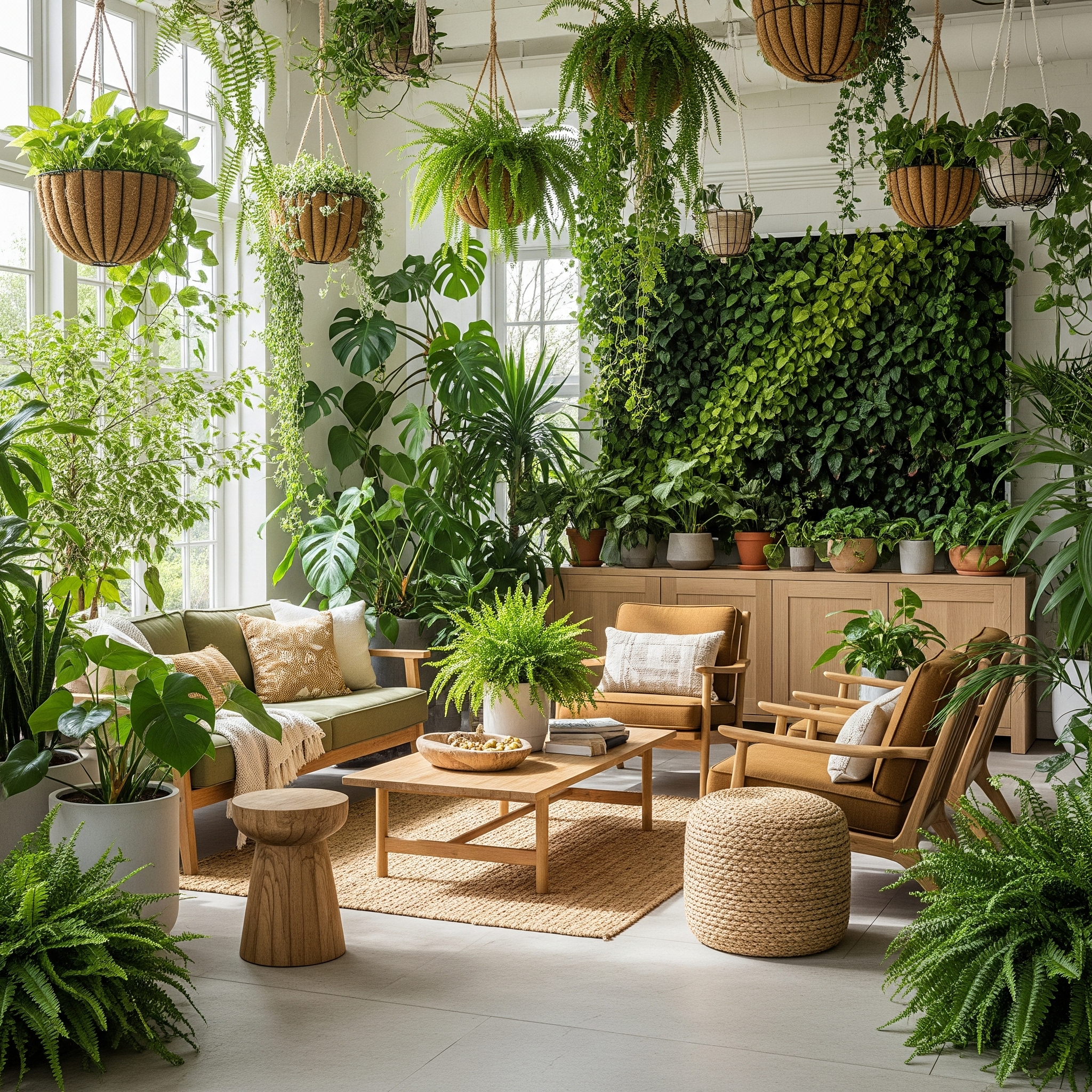
Biophilic Design
Integrating natural elements like plants, water features, and natural light to enhance human connection to nature within built environments.
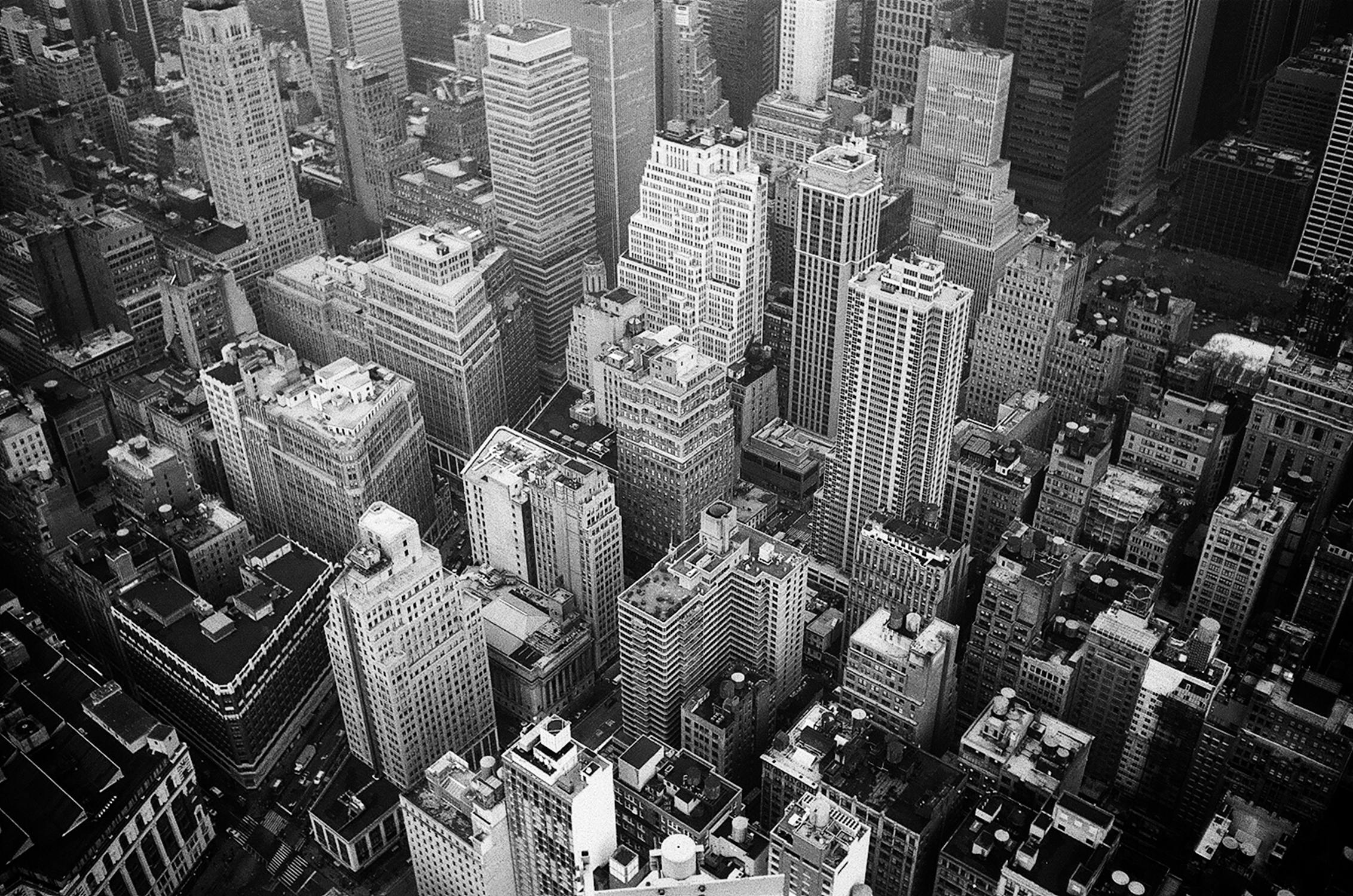
Energy Efficiency
Utilizing advanced insulation, smart HVAC systems, and passive solar design to minimize energy consumption and reduce carbon footprint.
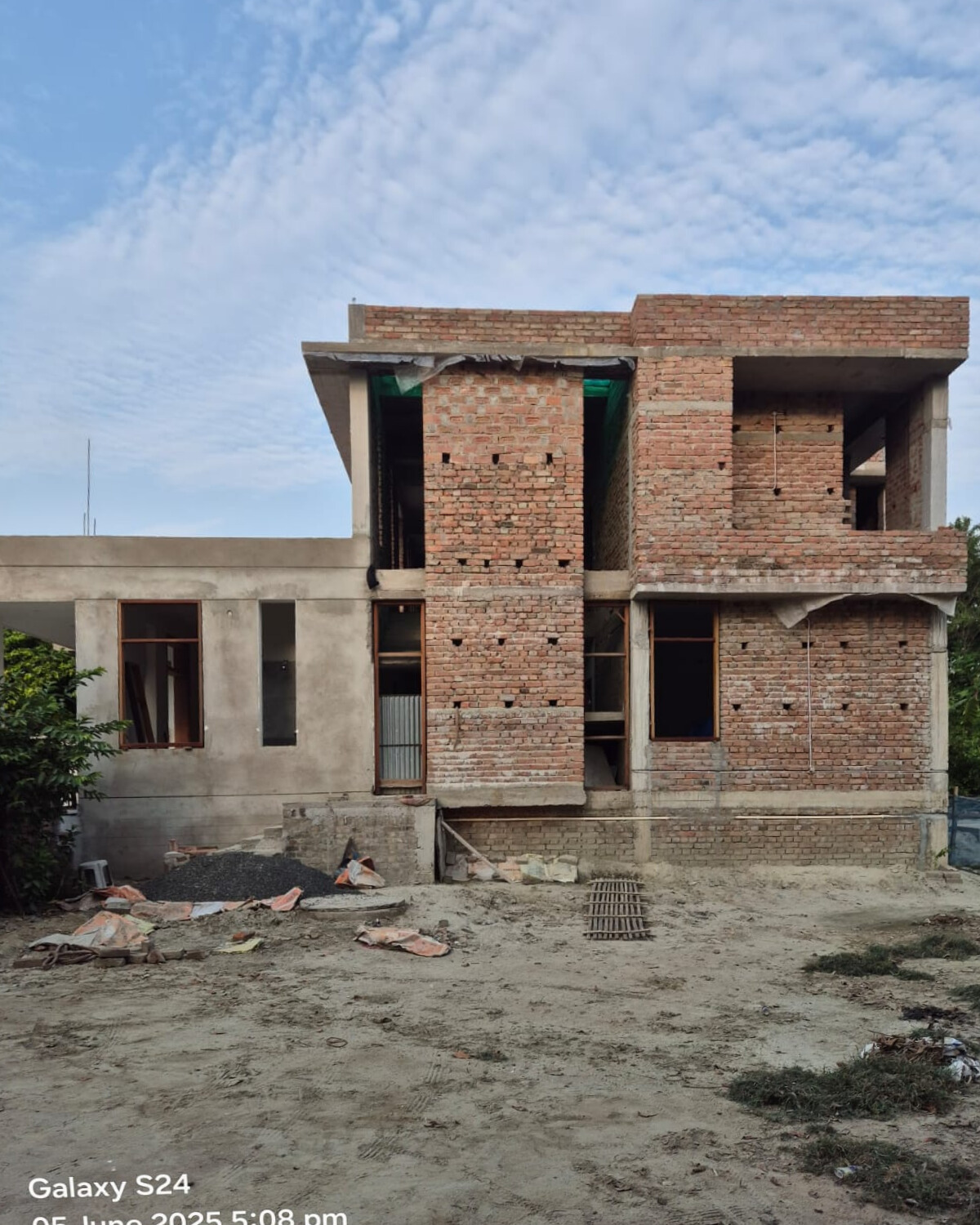
Circular Economy Principles
Designing buildings for longevity, adaptability, and eventual deconstruction, ensuring materials can be reused or recycled rather than ending up in landfills.
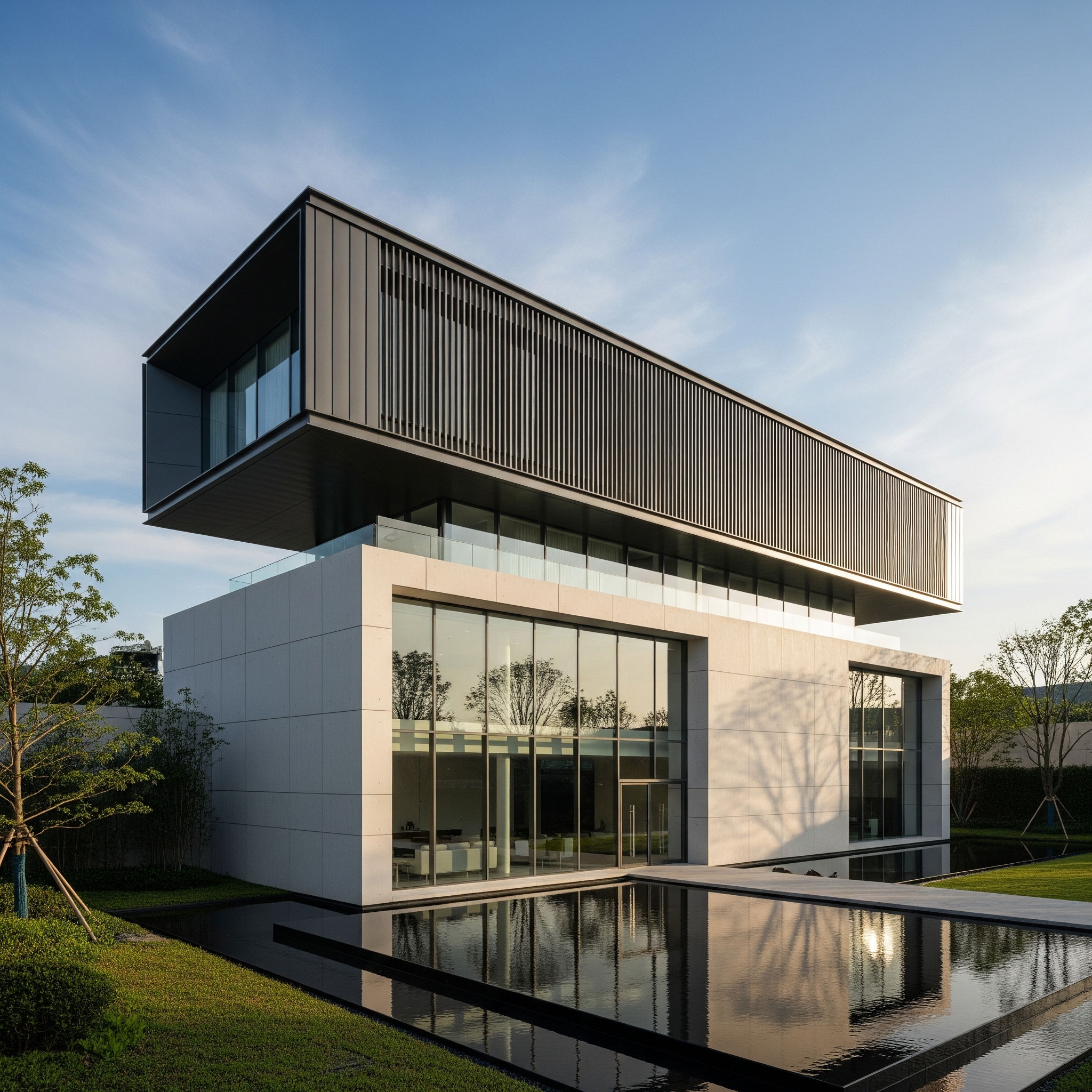
Renewable Energy Microgrids
Implementing on-site renewable energy generation (solar, wind) and storage systems to create self-sufficient buildings and reduce reliance on traditional grids.
These trends highlight a holistic approach to sustainable architecture, moving beyond individual green features to create truly resilient, healthy, and environmentally responsible spaces.
← Back to Journal